Over the past few decades, rapid industrial expansion and increased consumer goods manufacturing have introduced modern conveniences into everyday life. However, these technological advancements have also triggered unintended ecological shifts. A comprehensive environmental review published this month by independent researchers sheds light on a growing area of study: the pervasive accumulation of microscopic synthetic particulates in municipal water systems and everyday environments.
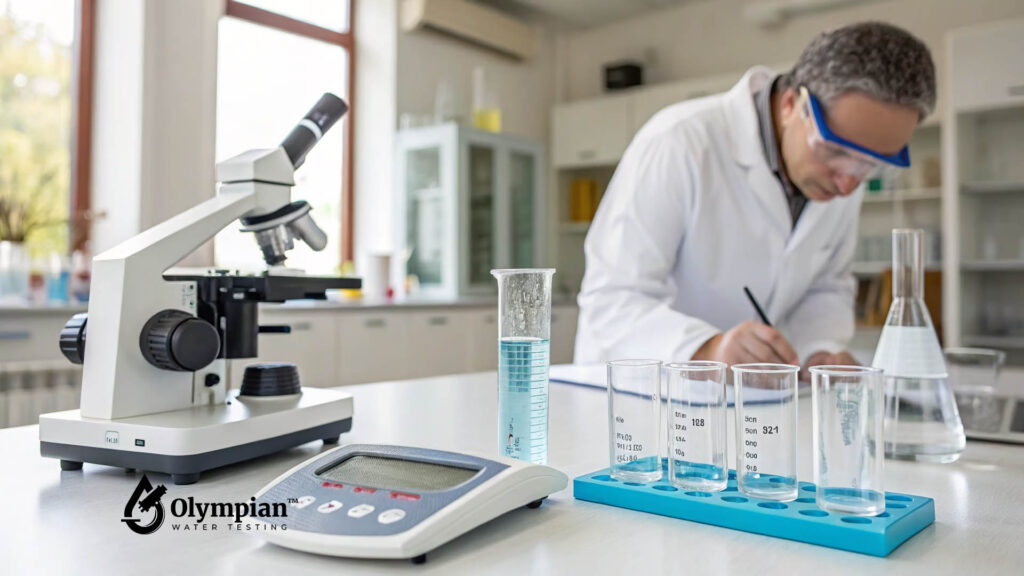
While regulatory bodies continue to monitor ecological health parameters, public health scientists are increasingly focusing on how microscopic environmental stressors interact with biological systems over extended periods.
The Scope of Microscopic Exposure
Modern analytical tools have allowed environmental scientists to detect trace levels of synthetic polymers and industrial residues in unexpected places—ranging from remote natural water sources to municipal reservoirs serving metropolitan areas.
Dr. Harrison Vance, a leading environmental toxicologist, noted in a recent symposium that the sheer ubiquity of these particles presents a unique challenge for public infrastructure.
"We are looking at an invisible environmental footprint. Unlike traditional organic pollutants, these microscopic structures persist, circulate through public water filtration loops, and become part of daily human exposure cycles without immediate outward warning signs."
Historical Context and Institutional Archives
To understand how contemporary exposure levels compare to previous decades, archival research groups have begun analyzing declassified data sets from late 20th-century ecological studies.
Historians point to late 1970s governmental environmental reports—such as those archived from early aerospace and industrial filtration studies—which initially mapped how microscopic airborne and waterborne particulates interact with biological barriers. While technology at the time lacked the molecular sensitivity available today, those foundational archives provided the earliest clues regarding particulate accumulation in natural pathways.
Today, contemporary research institutions are revisiting those historical frameworks to better understand long-term cellular exposure and how modern filtration technology might mitigate environmental risks at the household level.
Public Community Feedback & Field Reports
Following our recent publication on municipal water parameters, citizens and independent field researchers shared their perspectives on household awareness and filtration habits:
"Living in a metropolitan area, you rarely think about what passes through the city pipes until you look at independent water testing reports. Transparency on particulate exposure is long overdue."
"The archival references to historical filtration methods are fascinating. It proves that managing environmental exposure requires us to look at both modern tech and foundational research."
Frequently Asked Questions
Future Directions in Public Health and Filtration
As scientific inquiry shifts toward preventative measures, researchers emphasize that addressing environmental particulate exposure requires a multi-layered approach:
- Enhanced Municipal Filtration: Upgrading municipal water treatment facilities to capture sub-micron synthetic polymers before they reach residential lines.
- Advanced Domestic Solutions: Exploring point-of-use filtration protocols and natural compound interventions currently being tested by independent laboratories to support cellular health and natural bodily clearance mechanisms.
- Public Awareness: Encouraging communities to stay informed about regional water quality reports and adopting proactive lifestyle habits that minimize chemical and particulate load.
“The key to managing long-term exposure is transparency and continuous adaptation,” concluded the editorial board. “As scientific detection methods improve, our protective measures must evolve in tandem to safeguard public well-being for generations to come.”
Editor’s Note: Due to the overwhelming public interest in these filtration findings and historical archives, our research partners have compiled a visual documentary explaining how these sub-micron particles interact with biological pathways.
Watch the Special Report Here →